Please note: The following resources are exclusively for registered students of the academy. Unauthorized downloading or distribution without written permission is prohibited.
CURRENT LESSON THEME
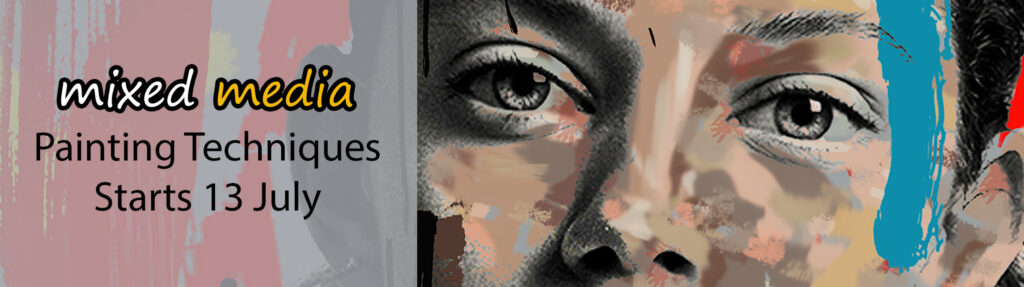
Mixed-media is the practice of combining two or more artistic materials or techniques within a single artwork to create unique visual effects and expressive possibilities. By integrating media such as watercolour, ink, graphite, charcoal, acrylic, collage, and texture mediums, artists can explore new ways of building layers, surfaces, and meaning in their work. In these lessons, we will investigate the creative potential of mixed media while developing both technical skills and artistic experimentation. Each lesson introduces one major technical skill while reinforcing drawing, composition, colour theory and artistic decision-making.


PAST LESSONS


ART TALKS & ARTICLES


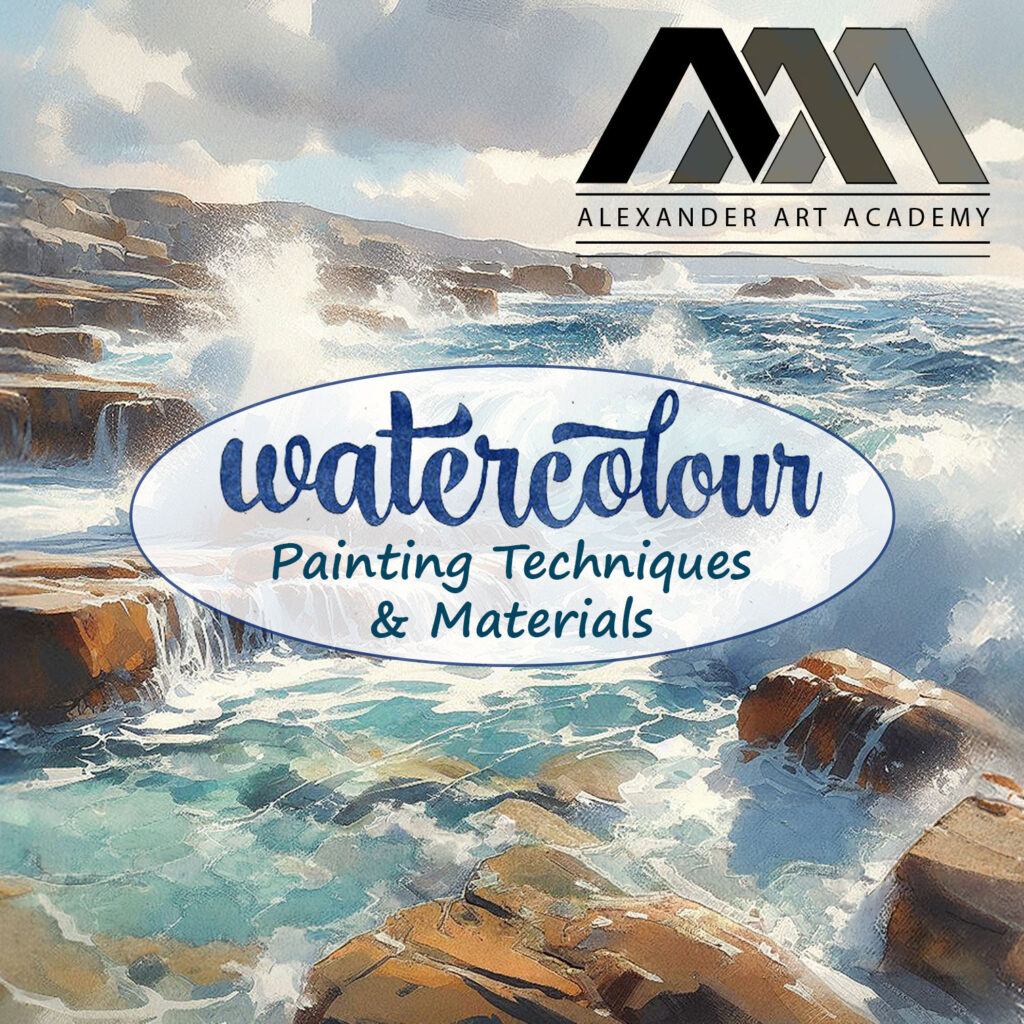
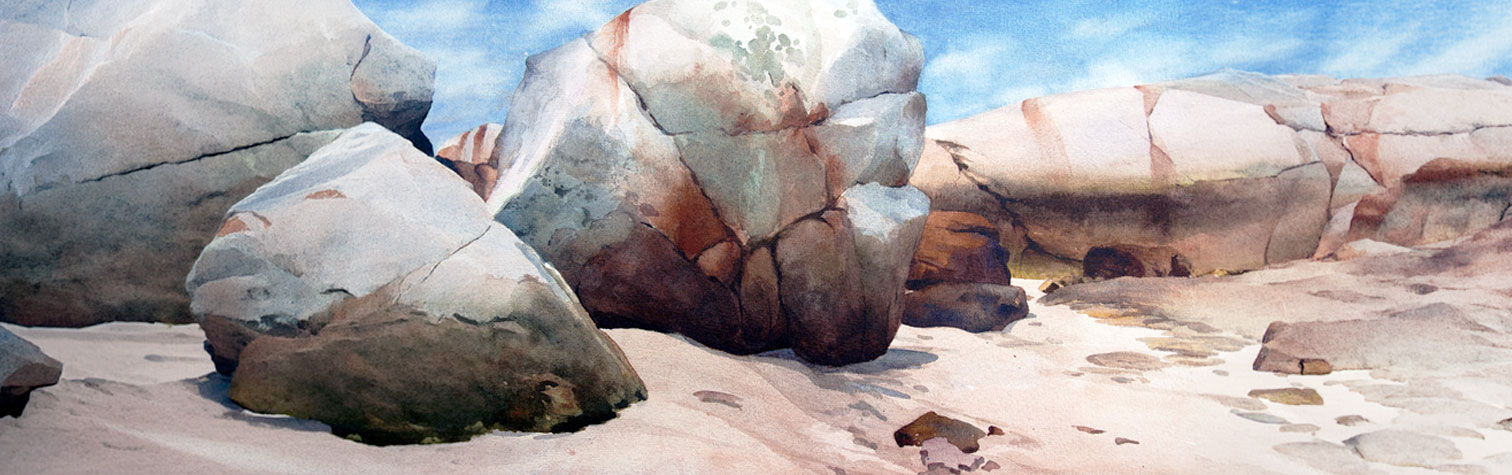
Watercolour Painting Techniques and Materials – Introduces the fundamental techniques and materials of watercolour painting, exploring the key approaches and unique properties of the medium.
Objectives
- Develop technical confidence with core watercolour methods and materials.
- Build an understanding of colour theory and colour mixing as we explore different subjects, including landscapes, forest animals, flowers, etc.
- Focus on two essential areas: preserving the white of the paper for highlights, tints, and light accents; and brushstroke handling to maintain clean, simplified washes with every stroke.


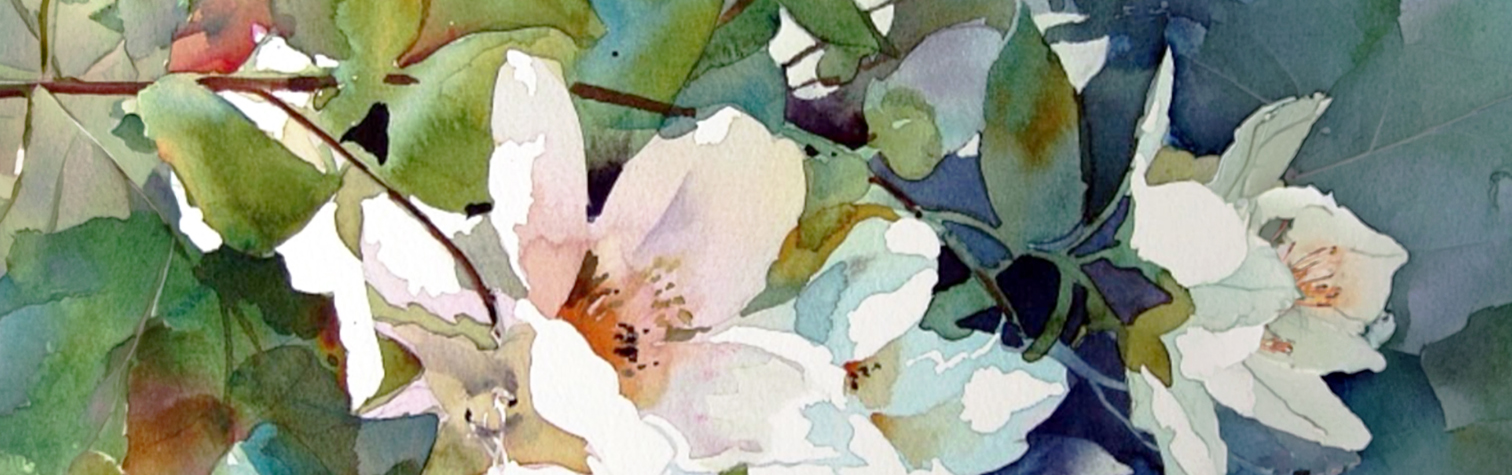
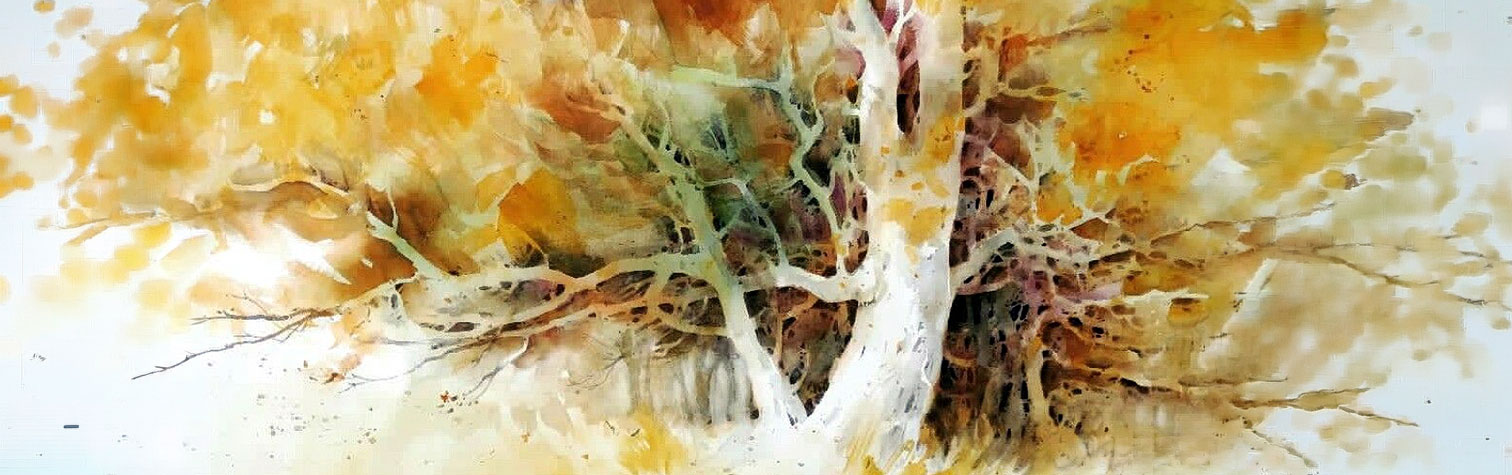
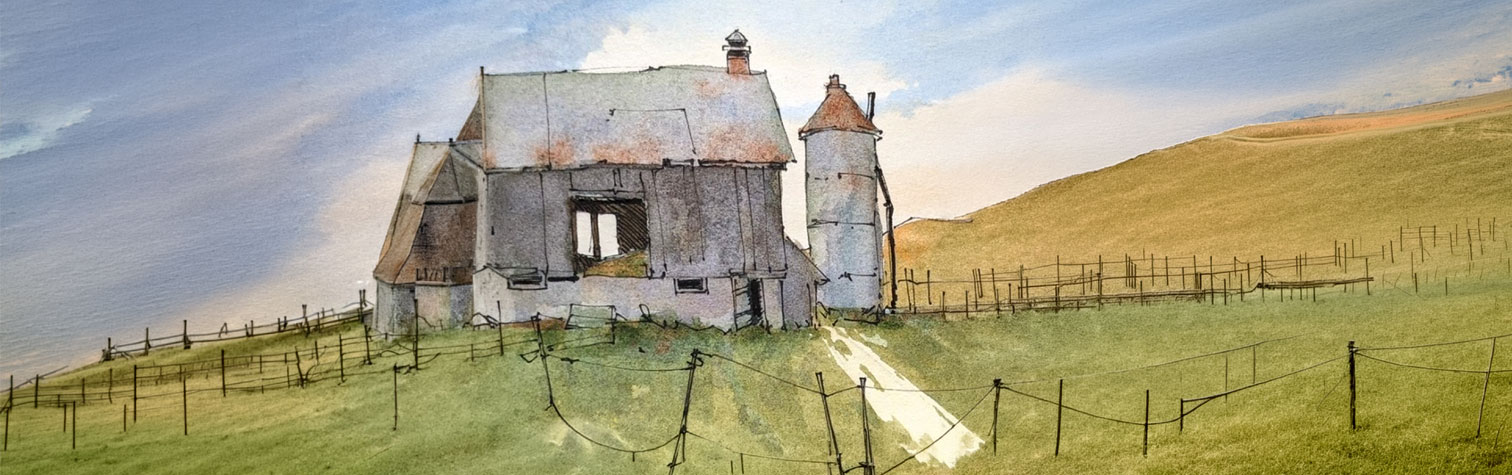


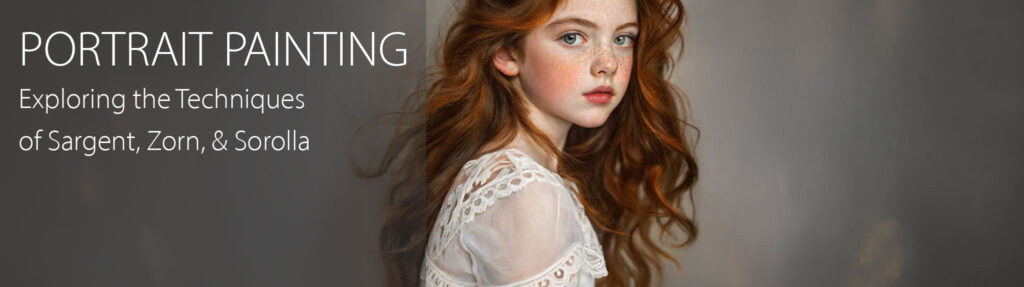
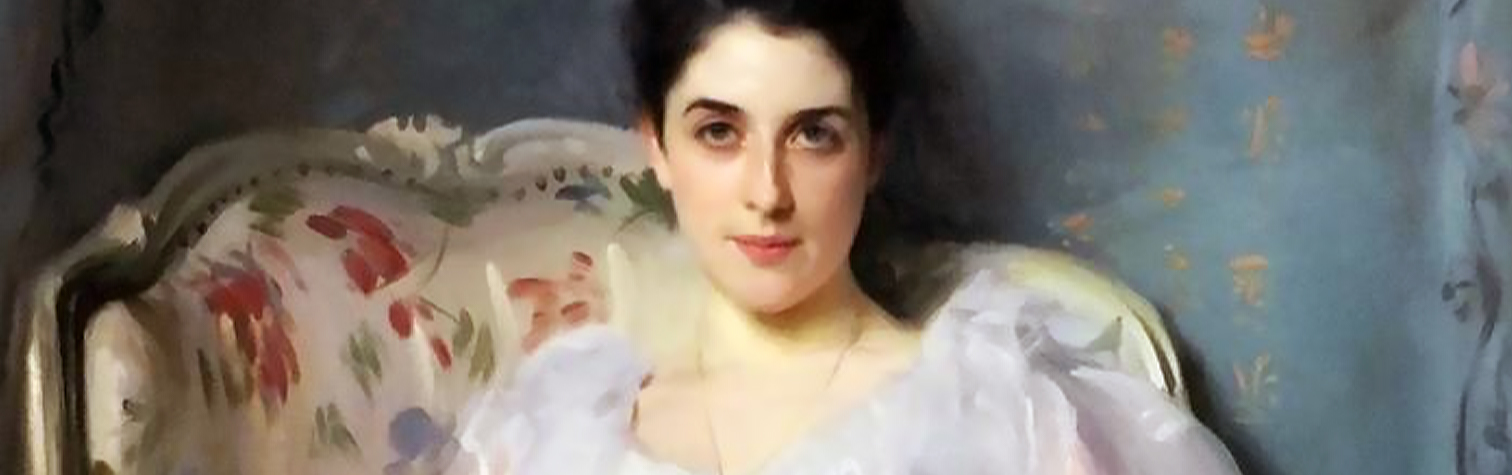
Transitioning from drawing basics to the art of portrait painting, applying your skills with brush and paint to capture structure, proportion, and expression. In these lessons, we examine and deconstruct the techniques of early 20th-century masters — John Singer Sargent, Anders Zorn, and Joaquín Sorolla — to understand their approach to light, colour, and capturing likeness.




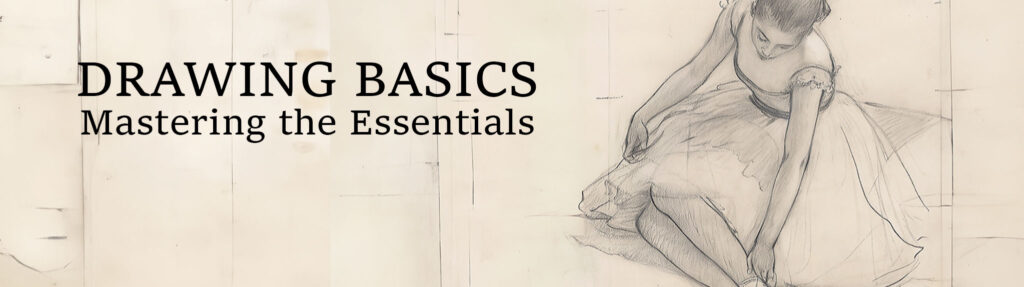
Welcome to Drawing Basics, the perfect starting point for building a strong foundation in art. This course is designed to teach you essential techniques, from understanding shapes and proportions to mastering shading and perspective. Whether you’re a complete beginner or looking to refresh your skills, you’ll gain the confidence to bring your creative ideas to life. Let’s embark on this artistic journey together!


Painterly painting techniques emphasize visible brushstrokes, texture, and the physical application of paint, prioritizing overall impression and emotional impact over precise details and smooth surfaces.


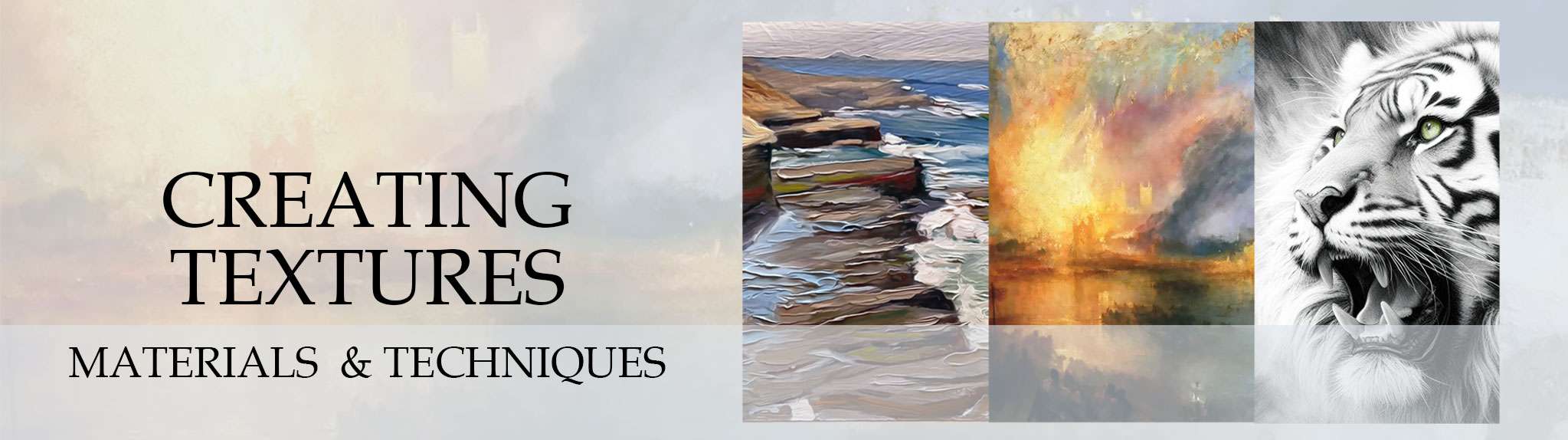
These lessons explore new materials and techniques to bring textures to life in your artwork. From rugged cliffs to intricate fur patterns, and even emulating Turner’s distinctive painting style, and much more.


This course covers everything you need to know about colour theory, from concepts to terminology and colour mixing applications.


ART TALKS & ARTICLES