


Introduction
In this lesson, we explore acetone image transfer, collage and visual layering. We will learn how to use acetone to transfer laser-printed imagery onto paper and then combine these transfers with drawing, painting and collage to create a Steampunk-inspired composition.
The lesson will also introduce the art principle of Variety, encouraging you to combine different visual elements, textures, marks, tones and techniques while still creating a cohesive artwork.
What Is an Acetone Transfer?
An acetone transfer is a fast and relatively simple image-transfer technique that allows toner from a laser-printed image or photocopy to be transferred onto another surface.
The technique can be used on:
- Watercolour paper
- Painted surfaces
- Collage papers
- Wood and other suitable surfaces
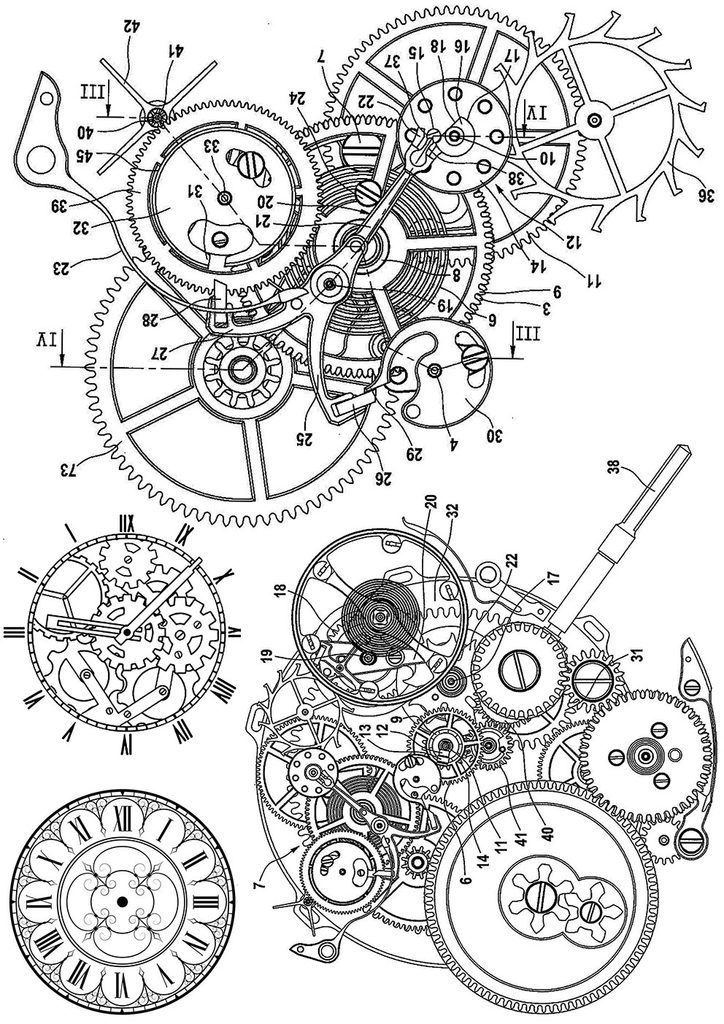
The transferred image can then be combined with drawing, painting, collage and other mixed-media techniques. Acetone transfers are particularly effective for linear images, such as mechanical drawings, architectural details, maps, diagrams, text, machinery and vintage illustrations. Xylene can also be used to transfer photocopies, laser-printed images and some magazine images.
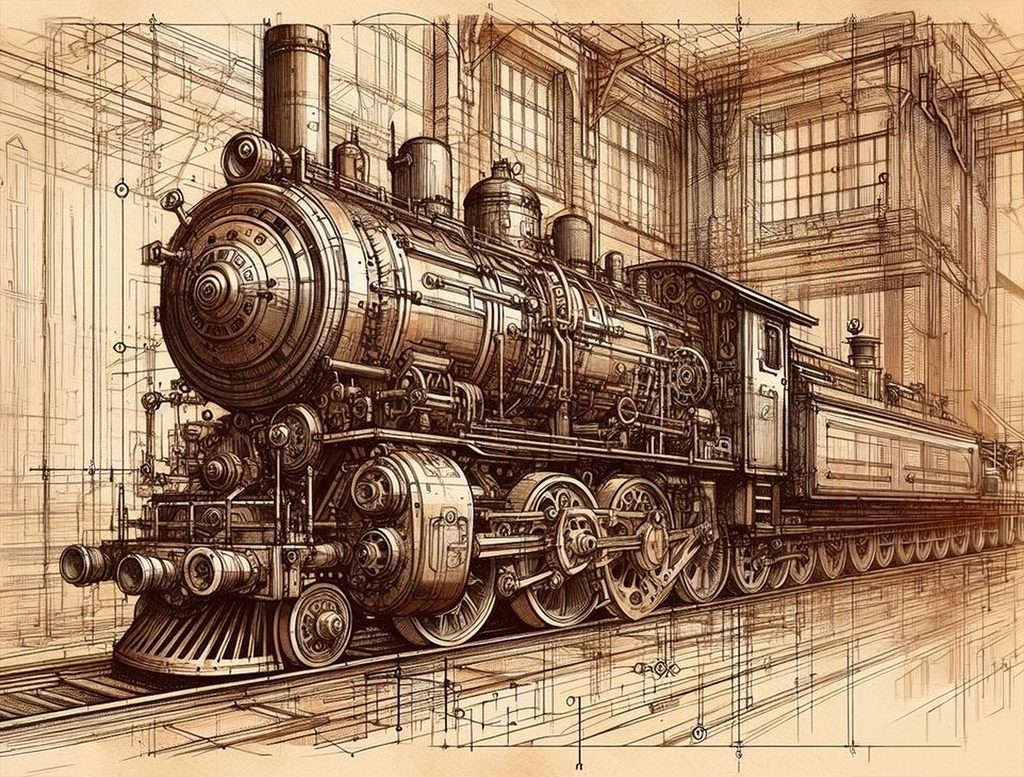
Important considerations
- You must use a laser print or photocopy. Inkjet prints will not work in the same way.
- The transferred image will appear in reverse.
- Dark, dense areas may transfer unevenly.
- Fine or delicate tones may disappear.
- Colour images can transfer quite faintly.
- Acetone evaporates extremely quickly, so you need to work efficiently.
The unpredictability of the process is part of its appeal. A transfer does not necessarily produce a perfect reproduction, and this can contribute to the character of the finished artwork.
The Principle of Art: Variety
Variety is the use of differences within an artwork to create visual interest and prevent the composition from becoming monotonous.
Variety can be created through differences in: Line, Shape, Colour, Texture, Value, Pattern, Scale, Materials, Detail, Mark-making
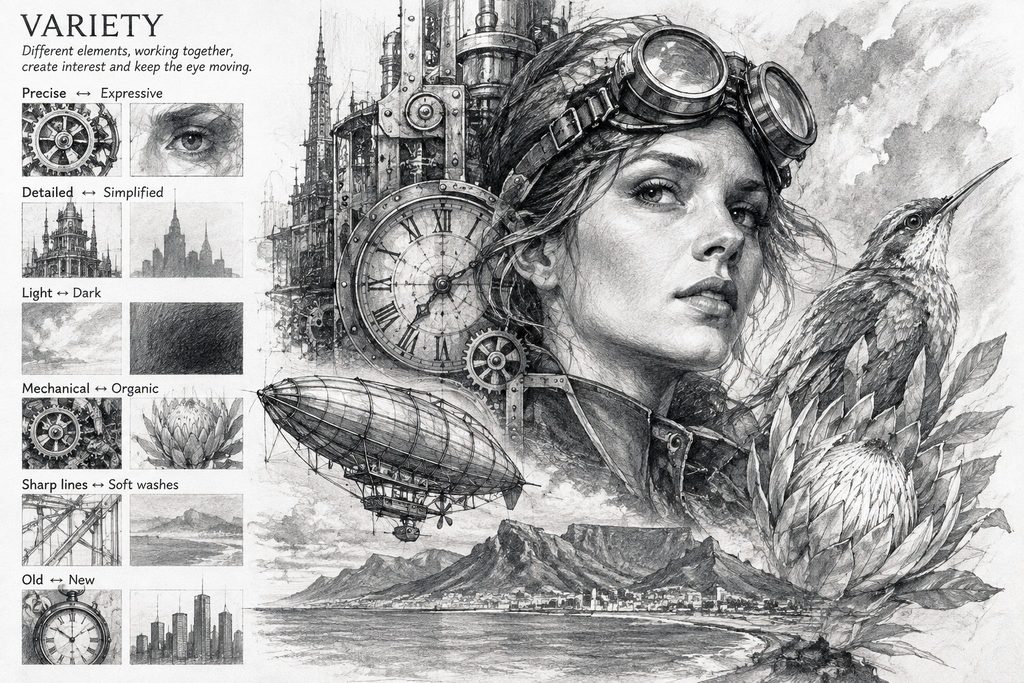
For example, a Steampunk collage might combine precise mechanical drawings, expressive hand-drawn lines, soft watercolour washes, rough textures, areas of empty paper and detailed collage elements.
However, variety should not mean that everything is different. Too much variety can make an artwork feel chaotic.
The challenge is to create variety within unity.
Useful principle: Variety creates interest; unity holds the artwork together.
Look for opportunities to contrast:
Precise ↔ Expressive
Detailed ↔ Simplified
Light ↔ Dark
Mechanical ↔ Organic
Sharp lines ↔ Soft washes
Old ↔ New
What Is Steampunk?
Steampunk is a subgenre of science fiction that incorporates retrofuturistic technology and aesthetics inspired by 19th-century industrial steam- or spring-powered machinery.
Steampunk works are often set in an alternative version of the Victorian era, where steam and spring power remain in widespread use, or in fantasy worlds that similarly employ steam-powered or mechanical technology.
Steampunk is also associated with artistic styles, clothing, design and subcultures influenced by Victorian-era fiction, Art Nouveau and mid-20th-century films, as well as the broader aesthetic developed through Steampunk literature and visual culture

Steampunk most recognisably features vintage technologies or retrofuturistic inventions as people in the 19th century might have imagined them, with design elements and craftsmanship consistent with the Victorian era.
The term “Steampunk” first appeared in 1987, although the aesthetic draws on much earlier literature and visual culture.
Steampunk-themed manga and anime have also appeared in popular culture, with influences dating back to the mid-20th century.
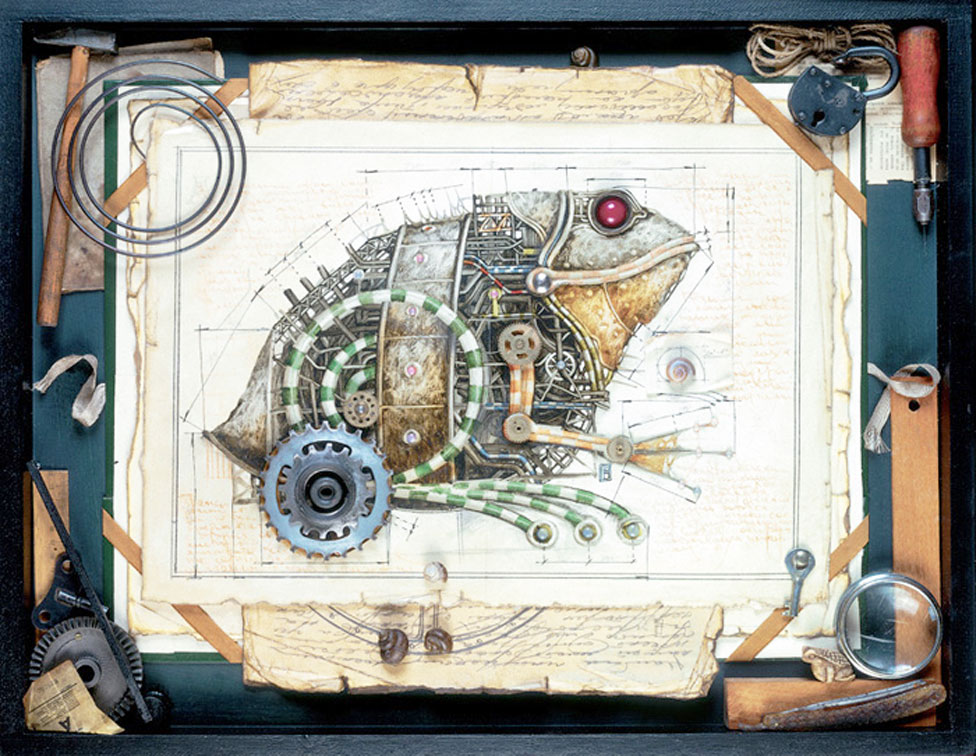
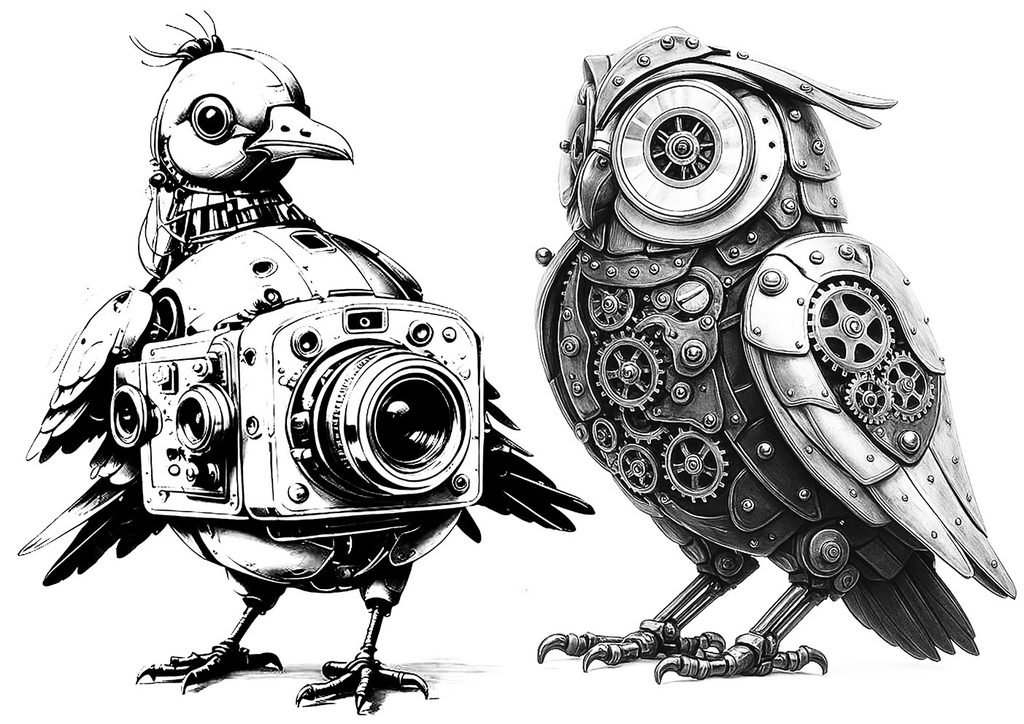
Russian artist Vladimir Gvozdev, also known as Gvozdariki, has a distinctive approach to the Steampunk genre. His mechanical animal menagerie is whimsical and often has a childlike sense of wonder.


Steampunk combines influences from:
- Victorian design
- Industrial machinery
- Steam technology
- Mechanical engineering
- Art Nouveau
- Vintage illustration
- Science fiction
- Alternative history
- Fantasy
The style is particularly recognisable because it combines historical craftsmanship with imagined futuristic technology.
Typical Steampunk imagery might include:
- Gears and cogs
- Clocks and mechanisms
- Steam engines
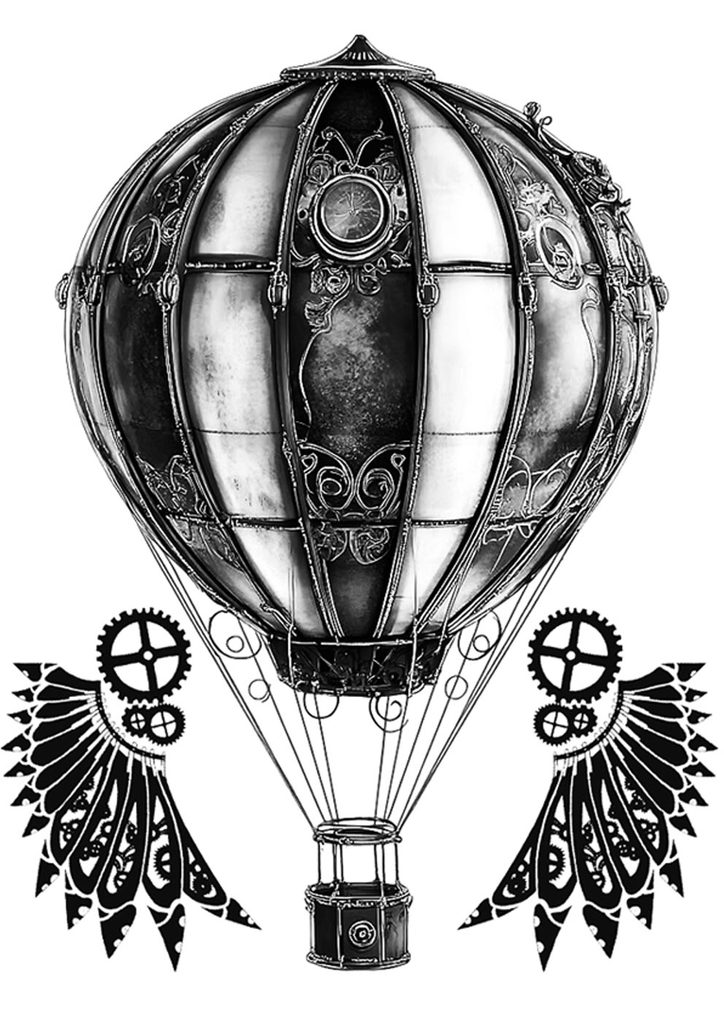
- Airships
- Brass machinery
- Pipes and valves
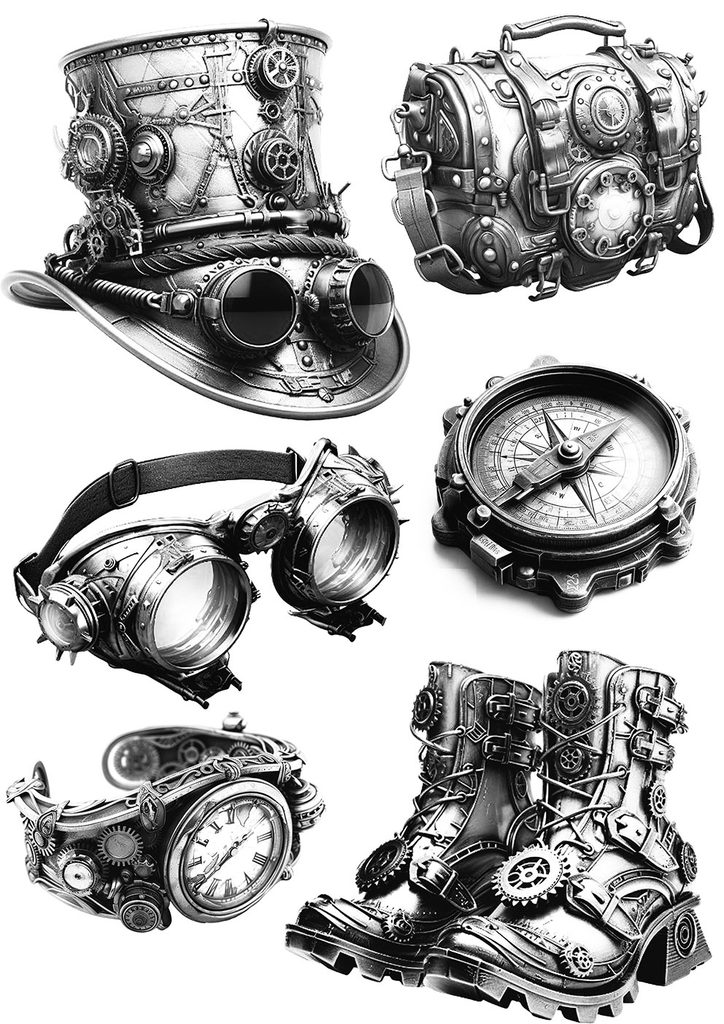
- Goggles
- Victorian clothing
- Mechanical animals
- Automata
- Old scientific instruments
- Maps and technical diagrams

Authors such as Jules Verne, H. G. Wells and Mary Shelley are often associated with ideas that later influenced Steampunk.
Jules Verne (8 February 1828 – 24 March 1905) was a prolific French author with more than 60 novels (Voyages Extraordinaires) to his credit, many of which are considered early examples of proto-Steampunk. Just as he wrote science fiction before the term existed, so too did Verne write proto-Steampunk more than a century before the term itself was coined.
Steampunk has moved beyond literature and is now also found in film, animation, architecture, fashion, illustration, sculpture, interior design and contemporary art.

Film – ‘Hugo’, a Martin Scorsese film based on Brian Selznick’s 2007 book The Invention of Hugo Cabret, tells the story of a boy who lives alone in the Gare Montparnasse railway station in Paris in the 1930s. He becomes involved in a mystery surrounding his late father’s automaton and the pioneering filmmaker Georges Méliès.
Architecture and Design
In 1994, the Arts et Métiers Paris Métro station was redesigned by Belgian artist François Schuiten in a Steampunk-inspired style, as a tribute to the works of Jules Verne.
The station is reminiscent of a submarine, with brass-clad surfaces, giant cogs and portholes looking out onto fantastical scenes.
Truth Coffee Shop, Cape Town, South Africa
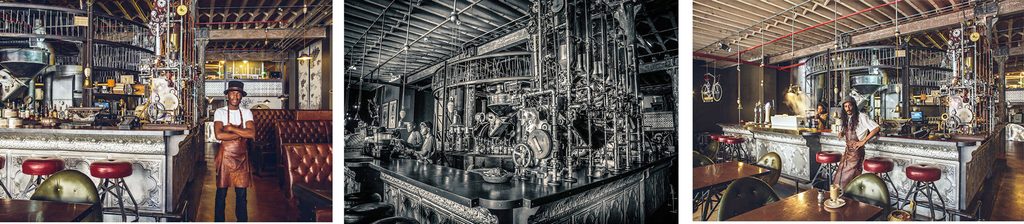
This radically designed Steampunk-themed coffee shop was created by Haldane Martin, who considered the form and appearance of espresso machines and coffee roasters to be reminiscent of the Victorian futuristic fantasy aesthetic associated with Steampunk.
Creating an Acetone Transfer
Step 1 – Plan your composition
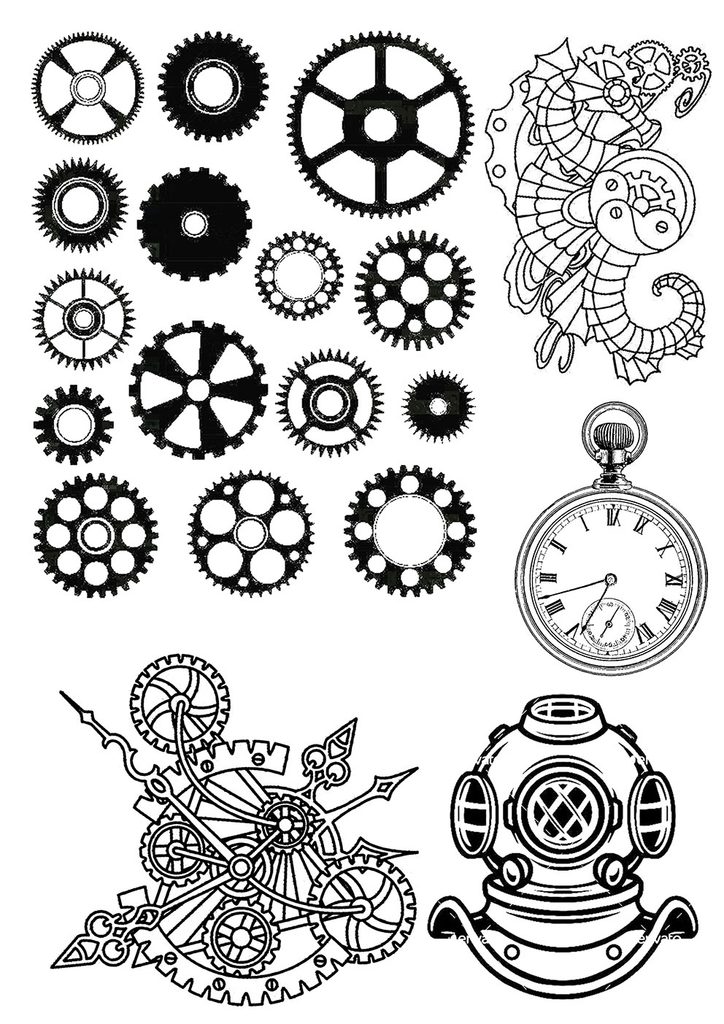
Before applying anything, decide where the different Steampunk elements will be positioned. Cut out the images supplied for the exercise and experiment with different arrangements.
Consider:
- Focal point
- Scale
- Overlapping
- Direction
- Negative space
- Balance
- Variety
Remember that the image will be reversed when transferred.
Step 2 – Position the image
Place the laser-printed image face down on your artwork. Hold it firmly in position with your fingers or secure it with masking tape. It is essential that the paper does not move during the transfer.
Step 3 – Apply the acetone
Using a suitable brush, saturate the back of the paper with acetone. Work quickly because acetone evaporates very rapidly.
Step 4 – Burnish the image
While the paper is still wet, firmly rub over the image using the edge or rounded surface of a teaspoon. This pressure helps release the toner from the paper and transfer it to the surface underneath.
Step 5 – Check the transfer
Carefully lift one corner of the paper to check the result. If the image has not transferred sufficiently, replace the print and try again. Be careful with alignment. If the image moves during a second attempt, you may create a ghosted or double image.
Step 6 – Build your collage
Continue transferring your selected images until you have established your composition. Allow the transfers to dry before adding further layers.
Step 7 – Embellish
Once the transfers are complete, begin integrating them into the artwork using: Fine liner, Oil, Acrylic or Watercolour washes, Graphite, Coloured pencil, Collage, Transparent washes, Additional drawn detail. The objective is not simply to place transferred images onto a page, but to integrate them into a unified artwork.
Useful Tips
- Use laser prints or photocopies only. Inkjet prints will not produce the same type of transfer.
- Work in a well-ventilated area when using acetone.
- Acetone is highly flammable, so keep it away from flames, heat sources and other sources of ignition.
- Avoid prolonged skin contact and follow the safety instructions on the product.
- Test the technique on a scrap piece of paper first.
- Remember that your image will be reversed.
- Work quickly because acetone evaporates rapidly.
- Do not oversaturate the paper unnecessarily.
- Keep the image firmly in place while burnishing to get a crisp image.
- Use a light touch when lifting the paper to check the transfer.
- If you want a more distressed or aged appearance, allow some irregularity in the transfer.
- Use transparent washes to colour the image so that the transferred imagery remains visible.
- Don’t try to transfer everything. Selective imagery is often more effective than covering the entire surface.
- Use variety deliberately: combine mechanical precision with expressive hand-drawn marks.
- Acetone transfers are harder to accomplish on painted surfaces.
Application Exercise: Steampunk Acetone Transfer Collage
Create an A3 Steampunk mixed-media collage using the supplied imagery.
Your artwork should include:
- At least three acetone transfers.
- A clear Steampunk influence.
- Hand-drawn elements using a fine liner.
- Transparent watercolour washes.
- At least one area of overlapping imagery.
- Noticeable variation in line, scale, texture and detail.
- Areas of quieter negative space to prevent the composition from becoming overcrowded.
Suggested process
Plan → Transfer → Draw → Paint → Integrate → Refine
Begin with your transferred mechanical elements and gradually build the composition around them.
Don’t simply decorate the page with individual objects. Think about how the elements can interact to create a visual narrative.
You might create:
- A mechanical animal
- A Victorian inventor
- A futuristic machine
- A mechanical bird
- An imaginary flying machine
- A Victorian city
- An alternative-history scientific laboratory
The subject is open-ended, but the artwork should communicate the spirit of Steampunk.
Reflection
Once your artwork is complete, take a few minutes to consider the following:
- What attracted you to the Steampunk aesthetic?
- Which transferred elements worked most successfully?
- How did the unpredictable nature of the transfers influence your artwork?
- Where have you created variety?
- Is there enough contrast between detailed and quieter areas?
- Have the transferred images become integrated into the artwork, or do they still appear as separate pieces?
- How have drawing and watercolour changed the character of the transfers?
- What would you change if you created the artwork again?
Critique Questions
When discussing the finished artworks, consider:
- Variety: Is there sufficient variation in line, scale, texture, colour and detail?
- Unity: Despite the variety, does the artwork feel cohesive?
- Composition: Does the arrangement lead the viewer through the artwork?
- Technique: Which acetone transfers were most successful, and why?
- Integration: Do the painted and drawn elements connect the transferred imagery?
- Focal Point: Is there a clear area that attracts attention first?
- Negative Space: Has enough breathing room been left within the composition?
- Steampunk Identity: Does the artwork successfully communicate the Steampunk aesthetic?
- Originality: Has the artist moved beyond simply reproducing the supplied imagery?
- Experimentation: What risks or unexpected discoveries have improved the artwork?
Conclusion
Acetone transfer provides a fast and unpredictable way of introducing accurate imagery, mechanical detail and vintage references into a mixed-media artwork.
The real creative opportunity comes from what happens after the transfer. By combining transferred imagery with drawing, watercolour, collage and texture, we can transform a collection of mechanical images into something personal and contemporary.
The principle of Variety encourages us to explore differences while maintaining unity. In Steampunk, this can become particularly powerful: the precision of machinery can be contrasted with the looseness of painting, the historical with the futuristic, and the mechanical with the organic.
The goal is not simply to make a Steampunk picture, but to use Steampunk as a visual language to create an imaginative, layered and individual work of art.
References:






Leave a Reply